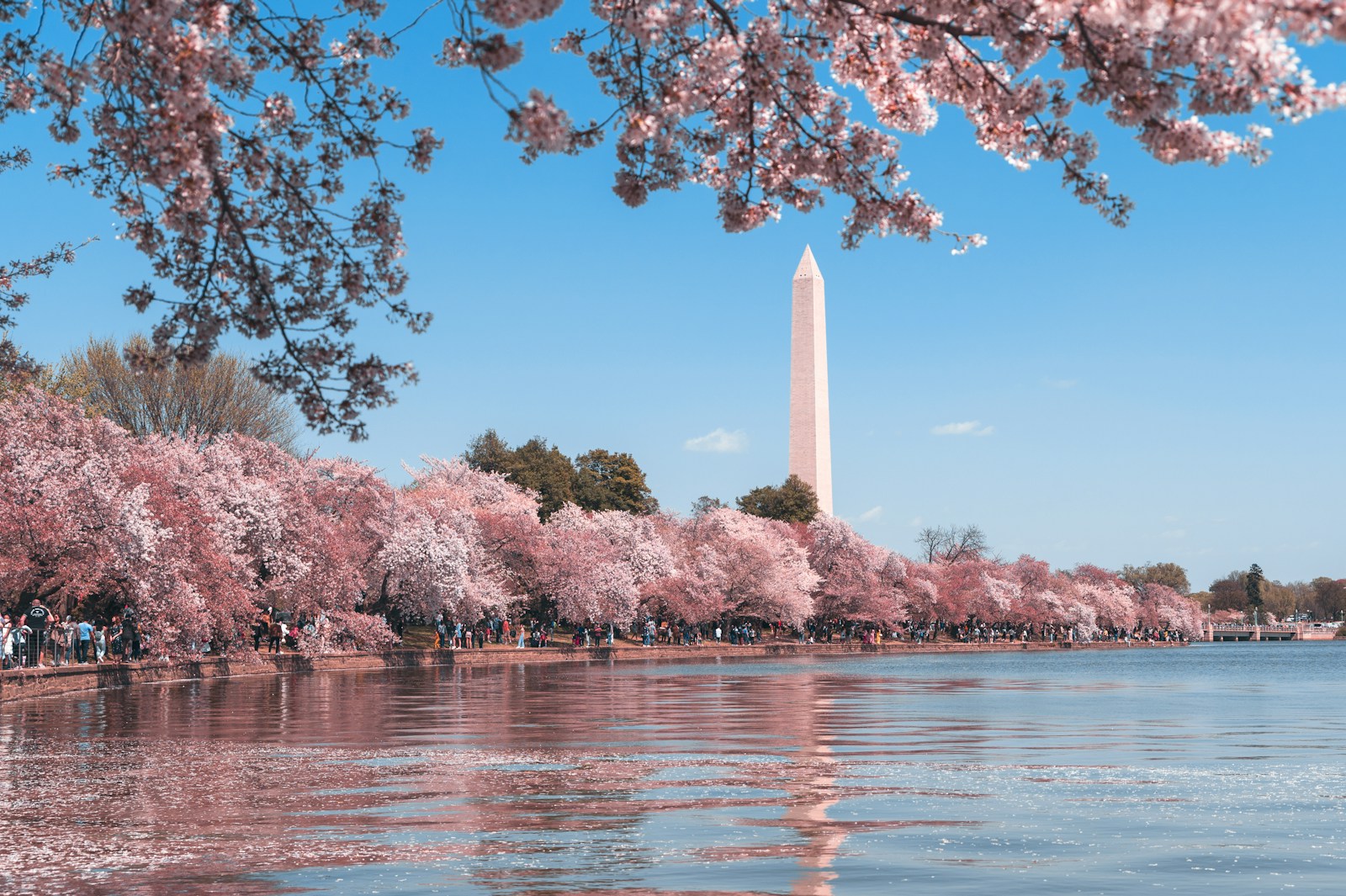
Washington DC is one of the country's most subsidized and most expensive daycare markets at the same time. The District has built the most generous publicly funded early childhood system in the United States — universal Pre-K 3 and Pre-K 4 through DC Public Schools and the public-charter sector — while infant and toddler tuition at the private centers serving Capitol Hill, Logan Circle, and the Northwest quadrant routinely exceeds the cost of a four-year public university. The result is a market with two very different conversations: how to win at the DCPS Pre-K lottery and how to land an infant seat at a Bright Horizons, AppleTree, or Bright Beginnings program without a year of waitlist purgatory.
This roundup is editorial. We have not been paid by any of the centers listed below. The picks are organized by region of the District and grouped by what each program does best, with cost ranges, waitlist signals, and the questions that separate a strong DC infant or toddler program from a glossy disappointment. For the full city overview, including the DCPS Pre-K 3 and Pre-K 4 lottery, the My School DC system, and the DC Child Care Subsidy Program, see our Washington DC daycare guide.
In this guide
A center earns a spot on our list when it meets most of the following.
For the broader framework we use anywhere in the country, see our how to evaluate daycare safety guide and our printable comparison checklist.
DC is among the most expensive daycare markets in the country, especially for infants and toddlers. Universal Pre-K dramatically changes the financial picture at age 3 and 4 if you land a seat at a DCPS or charter campus.
| Setting and age | Monthly range | Notes |
|---|---|---|
| Infant, NW DC center | $2,400 to $3,200 | Capitol Hill and Cleveland Park at the top |
| Infant, suburban Maryland or NoVA center | $1,900 to $2,700 | Bethesda, Arlington, and Alexandria |
| Toddler, DC center | $2,100 to $2,800 | Drops slightly as ratios loosen |
| Preschool, DC private center | $1,800 to $2,500 | Free if you land DCPS Pre-K seat |
| Family child care home, citywide | $1,500 to $2,200 | Often the strongest infant care option |
These ranges reflect US Department of Labor National Database of Childcare Prices (2023 release) data combined with operator submissions to DaycareSquare. For comparison across all 50 states, see daycare cost by state.
Bright Horizons operates multiple employer-sponsored centers serving federal agencies, law firms, and consulting firms across NW DC. Eligibility is usually limited to employees of the sponsoring employer; check with HR. NAEYC accredited at most sites. See our employer childcare benefits guide.
AppleTree is the largest dedicated early-childhood public charter network in the District, with multiple campuses serving Pre-K 3 and Pre-K 4. Tuition-free for DC residents through the My School DC lottery.
Aidan Montessori School and several long-running independent Montessori programs anchor the Upper NW Montessori community. AMS-accredited and tight waitlists. See our Reggio vs Montessori for how to think about the philosophy.
Capitol Hill has one of the East Coast's strongest cooperative preschool networks. Parents work in the classroom on a rotating schedule and tuition runs meaningfully lower than full-day centers. See our co-op daycare explained.
Capitol Hill Montessori @ Logan is a DCPS public Montessori school serving Pre-K through middle school. Tuition-free for DC residents through the My School DC lottery.
Bright Beginnings is a long-running NAEYC-accredited nonprofit serving children experiencing homelessness across the District. It is one of several strong nonprofit early-childhood programs anchored in SE DC.
Multiple Early Head Start and Head Start grantees operate across SE DC, with income-eligible families receiving free comprehensive early childhood services. Search the federal Head Start Locator for current sites.
DC public charter schools that serve Pre-K 3 and Pre-K 4 are accessed through the My School DC common lottery. Several charters with strong reputations for early-childhood education include AppleTree, Briya, Center City Public Charter, Latin American Montessori Bilingual, and DC Bilingual Public Charter. See our Spanish-immersion daycare guide for what bilingual programs look like in practice.
National chains have a strong footprint in the DC metro, particularly at federal agencies, law firms, and major hospital systems.
Two practical notes. First, the best DC private centers fill their infant rooms 12 to 18 months in advance. Apply during the second trimester at the latest. For a citywide timeline, see our when to start a daycare waitlist guide.
Second, DC offers tuition-free Pre-K 3 and Pre-K 4 at all DC Public Schools elementary campuses and at most early-childhood-serving public charter schools. Access is through the My School DC common lottery, which opens in December and closes in early spring. The lottery is universal and not income-tested. For families willing to commute across the District for a strong public Pre-K seat, the lottery is the single biggest financial lever available.
For families weighing enrollment in the District versus the suburbs, our daycare costs more than my mortgage piece is the reality-check most parents need.
DC families have three real categories to choose between, and the right choice depends on age, schedule, and budget. The categories are not better or worse on average; they are different in predictable ways.
Independent and cooperative programs are unusually strong in Capitol Hill and Cleveland Park. The Hill co-op network and the Upper NW Montessori community are nationally distinctive. Strongest fit for families who want a teaching philosophy with depth and who are willing to participate in the classroom (for co-ops) or pay top-of-market tuition (for premium independents).
Public Pre-K and public charter Pre-K dramatically change the financial picture at age 3 and 4. For families confident they can land a seat through the My School DC lottery, this is the single most important option to plan around.
National chains (Bright Horizons especially) have a deep DC footprint, particularly the employer-sponsored sites at federal agencies, law firms, and consulting firms. The infant rooms at corporate-campus sites run tight ratios and are usually the highest-capacity infant option in central DC. See our franchise vs independent daycare guide for the longer comparison.
Licensed family child care homes are deeply embedded in DC residential neighborhoods. Tuition runs meaningfully below center care and the ratios are usually tighter. Strongest fit for infants and young toddlers. See our center vs home daycare for what to expect.
Two things shifted recently. First, OSSE's lead-teacher associate-degree requirement (the Birth-to-Three Lead Teacher requirement) has continued to reshape the early-childhood workforce in the District. Several smaller programs have closed or merged; others have raised tuition to fund higher teacher pay. Second, the post-pandemic federal return-to-office push has tightened infant waitlists at the employer-sponsored centers serving federal agencies. The tradeoff for families: longer waits at the prestige sites, more capacity at the suburban Bright Horizons and Goddard franchises.
A useful DC tour spans more than the front lobby. The director will hand you a folder; the room and the lead teachers will tell you most of what you need to know. We recommend asking a consistent set of questions at every center so you are comparing answers, not impressions.
For more on what makes a strong tour, see our daycare tour questions guide and daycare red flags roundup.
DC offers one of the most generous publicly funded early-childhood systems in the United States.
Many DC-area working families live and work across jurisdiction lines. Arlington and Alexandria (Virginia) have meaningfully lower tuition with a strong public-school pull and the Arlington Public Schools Virginia Preschool Initiative for income-eligible families. Bethesda, Silver Spring, and Takoma Park (Maryland) have a deeper bench of Montessori and Reggio-influenced programs, plus Montgomery County Public Schools Pre-K. For a wider regional view, see our Maryland and Virginia state daycare guides.
The best daycare in DC for your family is rarely the most famous one. For infants and toddlers, it is the one where the ratio is real, the lead teacher has been in the room for several years, the commute fits the rest of your week, and the director answers your tour questions without dodging. For Pre-K, the My School DC lottery deserves serious planning — universal free Pre-K is the single biggest financial lever in the city. Tour at least three private centers; lottery for at least five public seats; ask the questions in our comparison checklist.
For more on the broader cost picture, our pillar guide on Washington DC daycare is the place to start. For city-by-city comparisons, see our roundups for Boston, New York City, and Philadelphia.
One honest caveat. No editorial roundup can substitute for a tour. DaycareSquare lists every licensed program; this article highlights well-known and consistently strong operators across the DC metro, but the specific room, the specific lead teacher, and the specific time of year matter more than the brand on the door.
Costs, neighborhoods, the My School DC lottery, and the full daycare picture across the District.
Read the guide → Free toolPlug in your ZIP, child age, and care type. Net out-of-pocket estimate after credits.
Try the calculator → Sibling guideEditorial picks for Boston centers, with cost ranges and tour tips.
Read the roundup →Get our free daycare starter kit — the 27-question tour checklist, a cost-comparison worksheet, and what to ask about waitlists. One email, no spam.
Or jump in: tour questions · cost calculator · comparison checklist