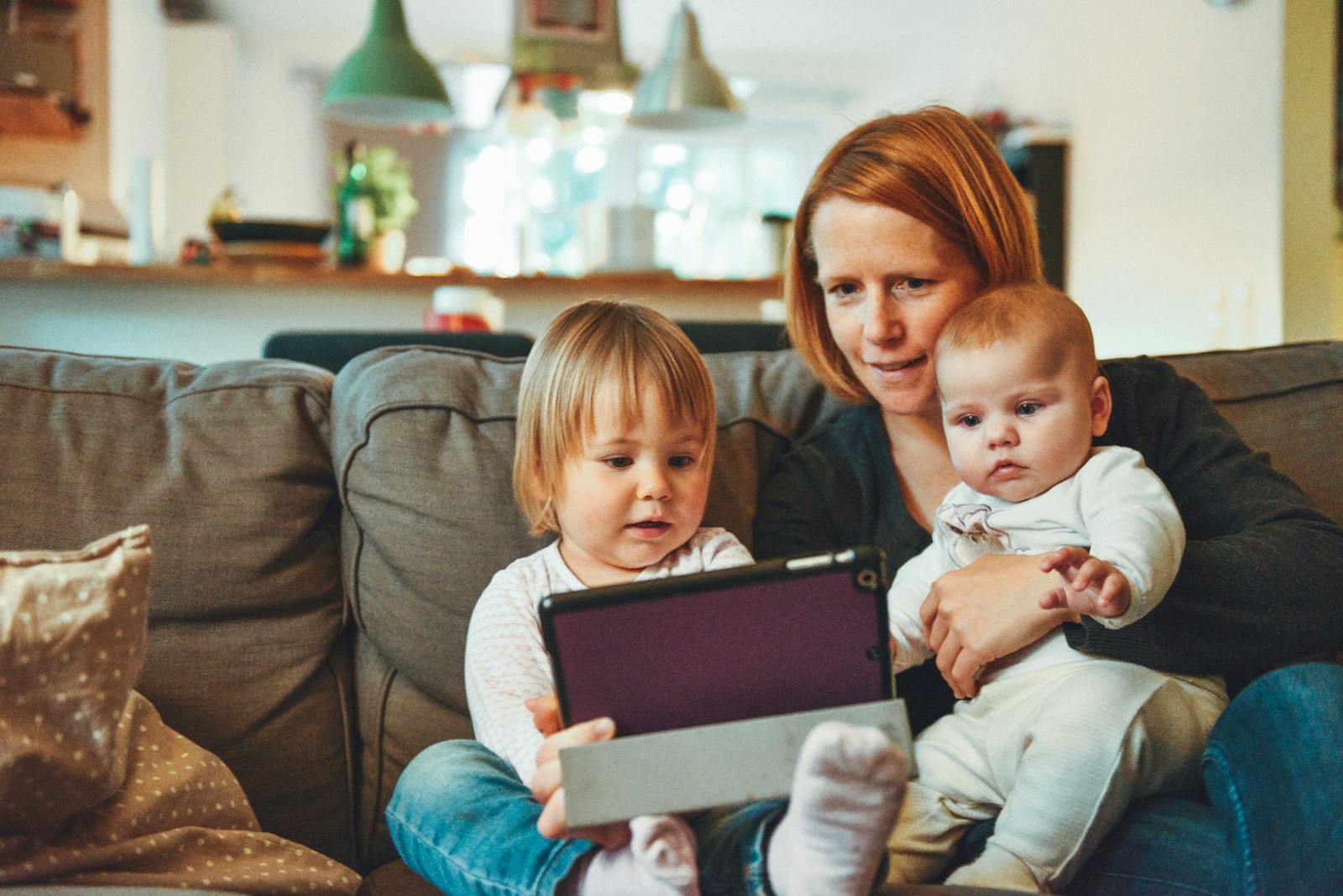
The crying at drop-off is the part that follows you to work. It helps to know that for most children it is a normal stage, it peaks at a predictable age, and a short, steady goodbye does more than a long one.
Daycare separation anxiety is a normal stage that often begins around 8 to 9 months and peaks between roughly 10 and 18 months, per American Academy of Pediatrics (AAP) guidance. The most effective response is a brief, warm, consistent goodbye, not a slip-away exit. For most children the tears stop within minutes of you leaving, and ease within a few weeks.
Separation anxiety is a child's distress at being apart from a primary caregiver, and it is a normal sign of healthy attachment. Per AAP guidance, it emerges as babies develop object permanence and start to understand that a parent who leaves still exists somewhere else. The crying is the child protesting that gap, not a verdict on the daycare or on you.
Knowing it is developmental changes how it feels. A child who sobs at drop-off and is happily playing ten minutes later is not being neglected or harmed; they are practicing a skill, with the daycare's help. That reframe matters, because a calmer parent at the door tends to mean a calmer child.
Separation anxiety follows a rough timeline. Per AAP guidance, it commonly starts around 8 to 9 months, peaks somewhere between about 10 and 18 months, and gradually fades through toddlerhood, though it can resurface in preschoolers, especially after a disruption. The table below sketches what is typical at each stage, with the reminder that children vary widely.
| Age | What is common | Helpful focus |
|---|---|---|
| Under 8 months | Usually little separation distress yet | Build trust with consistent caregivers |
| 8–18 months | Peak distress at drop-off; protests, clinging, tears | Short, steady goodbye ritual |
| 18–36 months | Distress eases for many; can flare after illness or breaks | Predictable routines; comfort item if allowed |
| Preschool (3–5) | Often mild; occasional return after change | Talk through the day; reassure return |
The flares matter as much as the peak. A child who was settled can cry again at drop-off after a vacation, an illness, or a move to a new room. Per AAP guidance, that brief return is expected and usually short-lived; it does not mean progress was lost.
The strongest move is a goodbye that is short, warm, and identical each day. Per AAP guidance, a consistent goodbye ritual helps a child feel secure, while sneaking out can raise anxiety because the child learns a parent might disappear without warning. A familiar comfort item, where the program allows it, and an early visit to the room also help many children.
Consistency is the active ingredient, which is why a written drop-off routine helps. If your child is new to the program, pair these tips with the first-day checklist so the early days are as steady as possible.
The honest tradeoff. The advice to leave quickly while your child cries runs against every parenting instinct, and there is no way to make that moment feel good. Staying to comfort them usually extends the crying and teaches that tears bring you back, which makes tomorrow harder. The tradeoff is a hard 60 seconds at the door in exchange for a faster, more secure adjustment.
Most separation anxiety needs patience, not intervention, but some warrants a clinician's input. Per AAP guidance, talk to your pediatrician if intense distress lasts well beyond the first several weeks, does not ease as the day goes on, disrupts sleeping or eating, or seems out of step with your child's development. Ordinary tears that settle within minutes are not a concern.
Staff are your first source of information, because they see what you cannot: how fast your child settles after you leave. Ask them directly. If a child stays distressed for long stretches every day, that is worth a conversation with both the program and your pediatrician. For the broader rhythm of the daycare day, see the daycare logistics pillar.
Does a comfort item help? Often yes, for toddlers and older children whose programs allow a small, labeled lovey on the cot. Note that infants under 12 months sleep in bare cribs under AAP safe-sleep rules, so a sleep-time comfort item is not an option at that age.
Is it worse if I work full-time? No. Separation anxiety is developmental and shows up regardless of a parent's schedule. What helps is consistency and a secure goodbye, not the number of hours your child is in care.
My older child suddenly has it again. Why? Regressions are normal after illness, travel, a new sibling, or a room change. Per AAP guidance, returning briefly to a familiar routine and a steady goodbye usually settles it within a couple of weeks.
Daycare separation anxiety is a normal, time-limited stage that peaks in the toddler months and responds best to a short, consistent, warm goodbye. Trust that the crying stops soon after you leave, lean on staff for what they see, and call your pediatrician if distress is severe or lasting. For most families, steadiness is the whole strategy.
The hub for enrollment, policies, and the day-to-day mechanics of daycare.
Read the pillar → Sibling spokeHow daycare sleep works by age, and the safe-sleep rules behind it.
Read the article → Sibling spokeEverything to handle before and on your child's first day of daycare.
Read the article →Get our free daycare starter kit — the 27-question tour checklist, a cost-comparison worksheet, and what to ask about waitlists. One email, no spam.
Or jump in: tour questions · cost calculator · comparison checklist