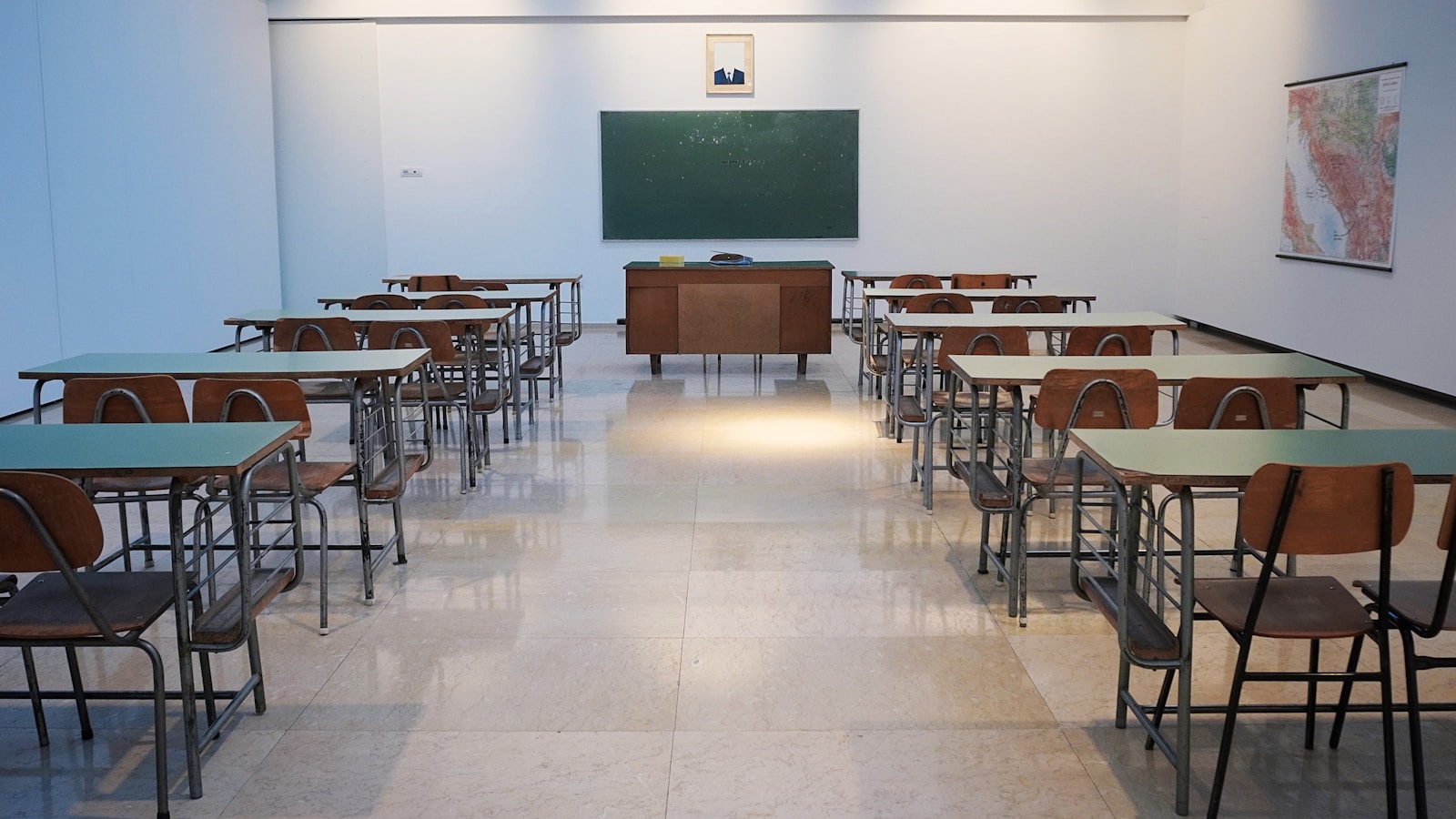
A daycare safety checklist is the difference between a tour where you nod politely at everything and a tour where you leave with the actual answers you need. This checklist is built from federal child care health and safety standards, the AAP/APHA Caring for Our Children guidance that licensing agencies use as a reference, and the questions our editors hear come up over and over again from parents who later wished they had asked.
Print it. Bring it. Use it on every tour. It works for centers, family child care homes, and preschools. The full printable version is available in our comparison checklist tool; this post explains why each item is on the list.
No single factor predicts safety as cleanly as the staff-to-child ratio. Federal CCDBG sets a floor; states set higher requirements; NAEYC recommends ratios that are stricter still. AAP guidance for infants is one adult per three to four infants in a group of no more than six to eight.
For state-by-state ratios in plain language, see our daycare ratios by state guide. Be wary of any director who tells you the ratio "depends" or who cannot answer in seconds.
Strong supervision is the single biggest predictor of safety. The AAP and the National Resource Center recommend that every child be within a teacher's line of sight (or within hearing range during nap) at all times.
A safe environment is not the same as a beautiful environment. Look for the boring details.
| Inside | Outside |
|---|---|
| Outlet covers on every outlet | Fenced play yard, gate latched at adult height |
| Cabinet locks on cleaning and medication storage | Soft surface under climbing equipment (engineered wood fiber, mulch, or rubber) |
| Furniture anchored to walls | Equipment age-appropriate for the children using it |
| Cribs meeting CPSC 2011 standards (no drop-side, firm mattress, nothing in the crib) | Sun shade or covered area |
| Smoke and CO detectors visible and tested monthly | Drinking water accessible |
| Posted evacuation maps in every room | Direct adult line of sight from inside the building |
| Clean floors, no choking hazards visible | Visible inspection log for playground equipment |
For infants, the AAP Safe Sleep recommendations are the standard: back to sleep, alone (no blankets, pillows, bumpers, stuffed animals), on a firm flat mattress in a CPSC-compliant crib, in the same room as a caregiver. Most state licensing rules now mirror this.
CDC and AAP guidance underpins state daycare illness exclusion rules. The center should have a written illness policy and a written medication policy on the wall and in the parent handbook.
Federal CCDBG requires a five-part background check on every staff member, repeated at least every five years. Most states layer additional screening on top. Our staff background check guide covers the federal floor and state add-ons.
Federal CCDBG requires every licensed center to have a written emergency preparedness plan covering fire, weather, evacuation, lockdown, and reunification.
Our specific guides on daycare fire safety and daycare lockdown drills go deeper on each.
A center should be licensed by the state agency that regulates child care (in California the Department of Social Services Community Care Licensing Division; in Texas the Health and Human Services Commission; varies by state). The license should be posted in a visible spot, and the center's inspection history should be a phone call or web search away.
If you do not know how to look this up, our how to look up a daycare's license walkthrough does it state by state.
A safe center is one where you hear what is happening in your child's day. That means daily reports, two-way messaging, and a real response when you raise a concern.
If a tour produces any of the following, do not enroll:
Our daycare red flags article goes through these in more depth.
A safe daycare will pass this checklist easily. A risky one will not. Take this list on every tour, ask the director the questions above out loud, and watch how confidently each answer comes back. The goal is not a perfect score — no center is perfect — but a clear pattern of competent, well-documented practice. For the broader picture, our pillar guide on daycare quality and safety ties the whole framework together.
The full picture — ratios, accreditation, environment, and policy in one place.
Read the guide → Free toolPrint this checklist as a one-pager and bring it to every tour.
Try the checklist → BlogThe longer narrative companion to this checklist — what to look at and why.
Read the article →Get our free daycare starter kit — the 27-question tour checklist, a cost-comparison worksheet, and what to ask about waitlists. One email, no spam.
Or jump in: tour questions · cost calculator · comparison checklist