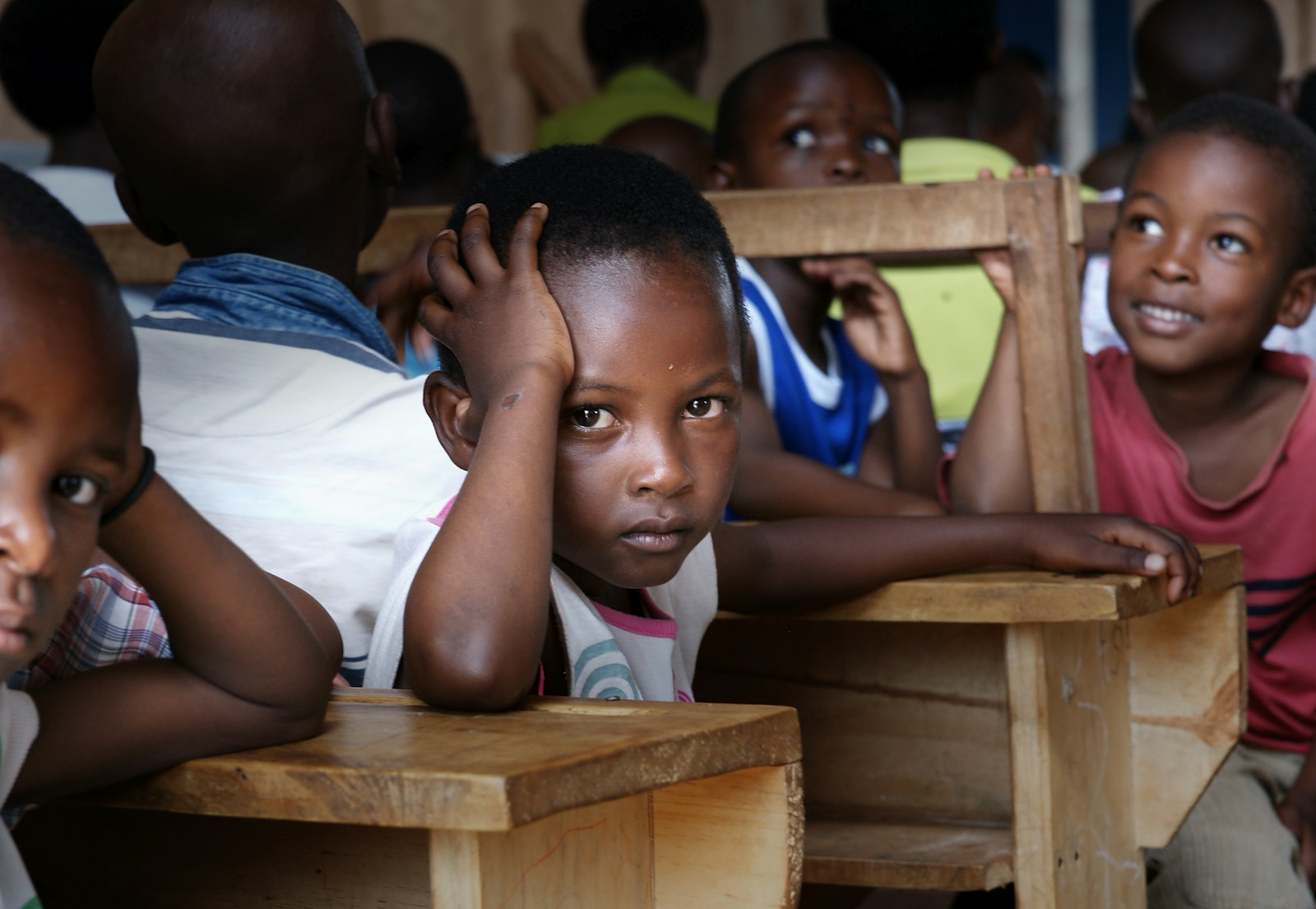
Arkansas runs one of the older state-funded pre-K programs in the country. It was launched in 1991, expanded substantially in the mid-2000s, and now serves roughly 24,000 children each year through two related programs: Arkansas Better Chance, known as ABC, and Arkansas Better Chance for School Success, known as ABCSS. Together they cover three- and four-year-olds in income-eligible families across the state. For families who qualify, the school day is free.
This guide explains what ABC and ABCSS cover, who qualifies, how the school day actually looks, what to do if you don't qualify, and how to apply for the 2026 to 2027 program year. We use plain language, recent state numbers, and a worked example for a typical Arkansas working family.
ABC is administered by the Division of Child Care and Early Childhood Education within the Arkansas Department of Education. State funding has held in the $114 million range in recent budget cycles, supporting roughly 24,000 children at any given time. Sites include public school districts, education service cooperatives, nonprofit preschools, Head Start grantees, and some private licensed centers approved by the state.
There are two flavors. ABC serves children ages 3 and 4 in households at or below 200 percent of the federal poverty level. ABCSS, the slightly newer companion program, serves children up to 250 percent of FPL when an additional risk factor is present, such as a parent without a high school diploma, a child with an Individualized Education Program, a foster placement, or a household experiencing homelessness. The two programs operate at many of the same sites and look nearly identical from a parent's perspective.
Most ABC and ABCSS classrooms run on a full school-day schedule, roughly six to seven hours a day, five days a week, for 178 school days. A growing share of community-partner sites embed the program inside a longer daycare day so working families can drop off in the morning and pick up at the end of their workday without juggling schedules.
| Delivery model | Typical schedule | Who it fits |
|---|---|---|
| School district school-day | Roughly 7:45 a.m. to 2:30 p.m., aligned with the elementary calendar | Families with after-school child care arranged separately |
| Education service cooperative | School-day program at a regional co-op site | Rural families without a district-run pre-K classroom nearby |
| Community partner, full-day | ABC block embedded in a 9- to 10-hour daycare day | Working families who want one provider |
| Head Start blend | ABC plus federal Head Start funds at the same site | Income-eligible families who qualify for both |
All ABC classrooms are taught by a teacher with a bachelor's degree and an early childhood credential, with assistant teachers holding at least a Child Development Associate (CDA). Group size is capped at 20 children with a teacher-to-child ratio of 1 to 10. Those ratios are meaningfully stronger than what unaffiliated private preschools in Arkansas are required to maintain under licensing alone.
For families who qualify, ABC and ABCSS cover the instructional portion of the day at no cost. The state reimburses providers a per-child rate set in the program guidance, which has been around $5,000 to $5,500 per child for full-day, school-year programs in recent years.
ABC does not automatically cover:
Here is what ABC actually does to a typical Arkansas family's child care bill.
Before ABC: a four-year-old at a Little Rock-area center pays roughly $700 to $1,000 per month for full-time preschool care, per the U.S. Department of Labor's National Database of Childcare Prices for Pulaski County.
That same center is an ABC community partner. After enrollment: the state pays the center for the school-day instructional block (worth roughly $450 to $500 per month, prorated over the school year). The family pays only the wrap-around-care portion plus summer: $250 to $500 per month during the school year, and the full daycare rate in June and July.
Annual savings: roughly $4,500 to $5,000, depending on the provider and how many summer weeks the family pays for.
For families who qualify, ABC is a significant offset against the daycare bill, often the single largest piece of household child-care relief other than a Head Start placement. The trade-off is the same one every state-funded pre-K family faces: the program closes when school closes, and summer is back to full freight.
Heads up. ABC follows the school calendar, which means roughly 178 instructional days. Most daycares run 250 to 260 days. Plan for full-tuition months in June, July, and parts of August. If your provider closes for every district break, you may owe full daycare-day rates on those weeks unless your provider has a separate Pre-K-day pricing structure.
Most ABC sites accept applications year-round, but popular programs in Little Rock, Fayetteville, Bentonville, Conway, and Jonesboro typically fill by April or May for the following August. Apply by March if you have a top-choice site.
Families above the 200 percent FPL line (or 250 percent for ABCSS) have a few main paths. The first is Arkansas's Child Care and Development Fund subsidy, administered by the Arkansas Department of Human Services, which can pay a portion of full-day daycare costs for working families. The second is federal Head Start, which is means-tested but uses slightly different criteria. The third is private pre-K at any of the licensed centers across the state. A small number of districts also offer a tuition-based seat in their ABC classrooms when state-funded seats are full.
NIEER, the National Institute for Early Education Research at Rutgers, has historically rated Arkansas as meeting nine of ten benchmark quality standards in its annual yearbook, putting Arkansas among the top tier of states on structural quality. The state's main improvement areas have been around teacher pay parity and continuous quality improvement systems, both of which the Department of Education has been working on.
Site-level monitoring reports are public. Ask the site coordinator for the most recent monitoring report when you tour.
My child's birthday is after August 1. Can they still attend? Not that year. They will be eligible the following year.
Can I use ABC and the child care subsidy at the same time? Yes. Many families pair the two: ABC covers the instructional block, and the CCDF subsidy covers wrap-around hours if the household meets work-or-school requirements. Community-partner sites are usually familiar with the paperwork.
Is transportation provided? It varies. Many school-district sites and co-ops do provide busing for ABC students; many community partners do not. Confirm with the site.
What if there are no ABC sites in my town? Education service cooperatives serve as a regional fallback, and some districts will accept open-enrollment applications from nearby attendance zones. Ask the state office for the closest approved site.
If you are early in the search, walk through our free comparison checklist and tour questions list before you commit to any site. Use the cost calculator to model your wrap-around-care year with the ABC block taken out. Read our how-to-choose-between-daycares guide for the framework most Arkansas families use.
For broader context, see the Little Rock daycare directory, the Arkansas state daycare guide, the preschool cost guide, and the DaycareSquare daycare cost pillar. Families weighing free state pre-K against private preschool tuition will also want our pre-K cost vs daycare walkthrough and preschool vs pre-K explainer.
Licensing, county-level costs, subsidies, and the full Arkansas early-learning landscape.
Read → PillarThe big-picture explainer on what daycare actually costs in 2026 and what drives the range.
Read → ToolModel your wrap-around-care year with ABC factored in. Free, instant, no email required.
Open →Get our free daycare starter kit — the 27-question tour checklist, a cost-comparison worksheet, and what to ask about waitlists. One email, no spam.
Or jump in: tour questions · cost calculator · comparison checklist