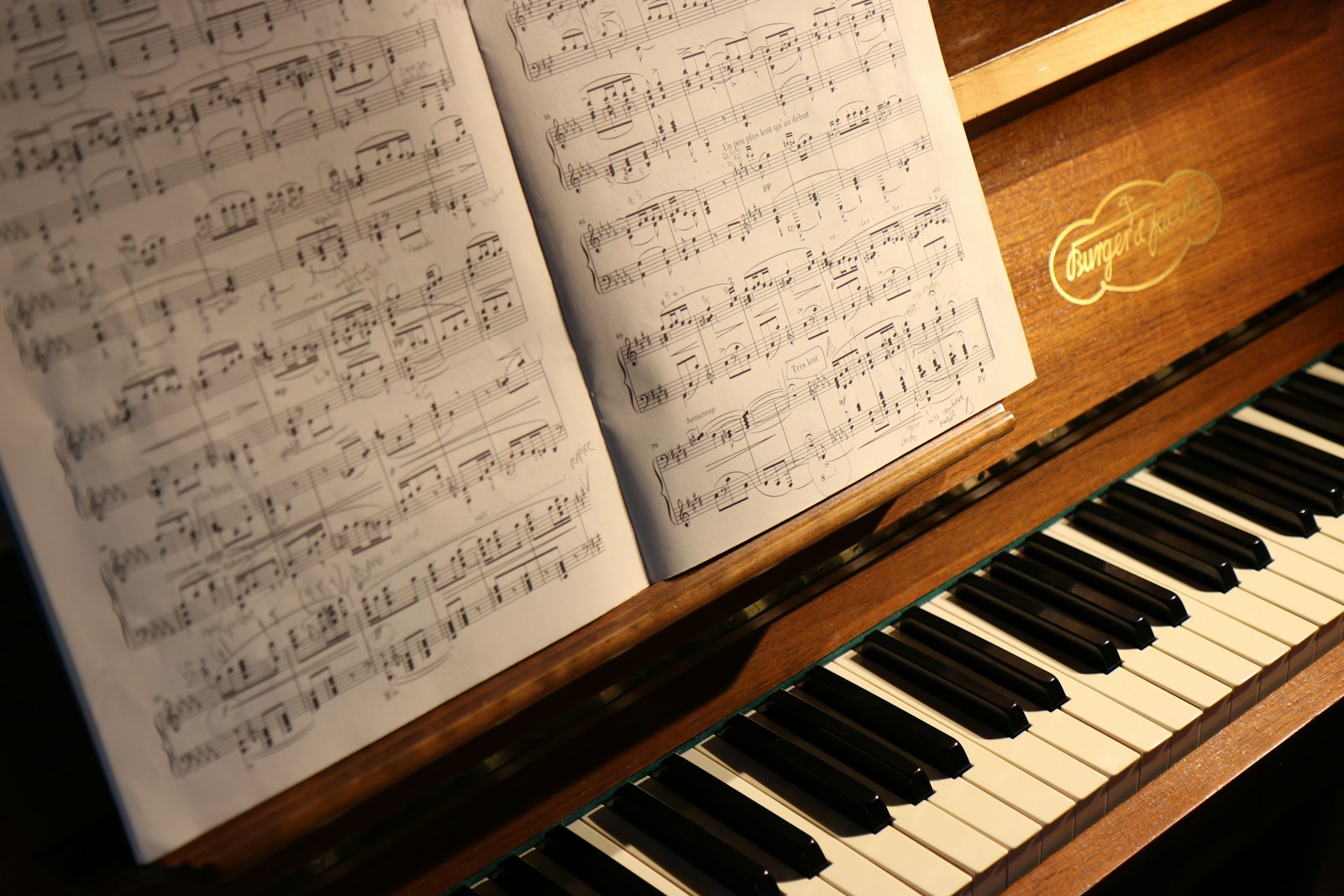
Most daycares sing. Music-based daycare goes further and makes music a daily, structured part of the program rather than a closing-circle ritual. Done well, the model produces children who are more confident vocally, more comfortable in front of a group, and more attuned to rhythm. Done poorly, it is the same standard preschool with a piano in the corner.
This guide explains what music-based daycare looks like in practice, what the well-known programs offer, what the research actually supports, and what to look for on a tour.
There are three patterns you will see in US daycare and preschool settings, and the labels are not standardized.
Most parents looking for "music-based daycare" want the first version: a strong, music-rich preschool, not a music conservatory.
Two findings have replicated reliably enough to be worth a parent's attention.
Children with sustained early music exposure show small but consistent advantages on phonological tasks — recognizing rhymes, hearing syllable structure, blending sounds — which are the building blocks of later literacy. The effect is most reliable when music involves singing and rhythm rather than passive listening.
Group music-making is one of the few activities where children practice synchronizing with peers, taking turns leading and following, and waiting for a cue. These are core social-emotional skills, and the music context tends to be lower-stakes than verbal interaction.
The "Mozart effect" — the idea that passively listening to classical music raises IQ — has been thoroughly debunked. There is no good evidence that any specific genre of background music affects child development. The benefits come from active participation, not exposure.
On a tour, look for:
A program advertising "music-based" with only a guitar in a closet and a daily Spotify playlist is not what you are looking for. For the broader comparison across program philosophies, see the daycare programs pillar.
Some daycares license a specific curriculum. The two largest are Kindermusik and Music Together, which both train educators in age-specific lesson plans and provide materials. Kindermusik tends to run more structured, with a clear progression by age. Music Together is more parent-and-child focused and is often delivered as a separate parent-child class rather than embedded in daycare. Either is a legitimate signal of structured musical content; neither, by itself, guarantees a strong overall preschool.
Music-integrated daycare typically runs at the local market rate, $1,200 to $2,800 per month for full-day care in major metros, with high-cost cities reaching $2,200 to $3,800. A licensed music curriculum delivered inside a preschool may add a small fee, often $40 to $120 per month, or be included in the base tuition. Standalone Suzuki preschool programs are usually priced separately and run $250 to $800 per month for part-day enrichment, on top of any daycare tuition.
For city-specific cost ranges, see Austin daycare and Portland daycare. To estimate net out-of-pocket cost, use the cost calculator.
Our full daycare tour question list covers ratios, licensing, and safety alongside curricular questions.
One honest note: a music-based preschool will not make a non-musical child musical, and a regular preschool will not stunt a musical one. Music programs at this age are about exposure, joy, and developing comfort with the physical practice of singing and playing in a group. They are not auditions. Choose a program because it suits your child and family, not because you are trying to engineer an outcome.
A strong music-based daycare is a strong daycare that uses music as one of its core daily practices. The signs of quality are the same as in any preschool: tight ratios, well-trained caregivers, a thoughtful environment, and a clear sense of what they are doing and why.
For the broader pillar, see daycare programs and philosophies. For sibling pieces, start with Waldorf daycare and Reggio Emilia daycare, both of which integrate music deeply.
Compare music, Montessori, Reggio, Waldorf, and play-based approaches.
Read the pillar → Free toolScore multiple programs side by side, including music and arts content.
Try the checklist → BlogA program style with deep music integration as a core practice.
Read the article →Get our free daycare starter kit — the 27-question tour checklist, a cost-comparison worksheet, and what to ask about waitlists. One email, no spam.
Or jump in: tour questions · cost calculator · comparison checklist