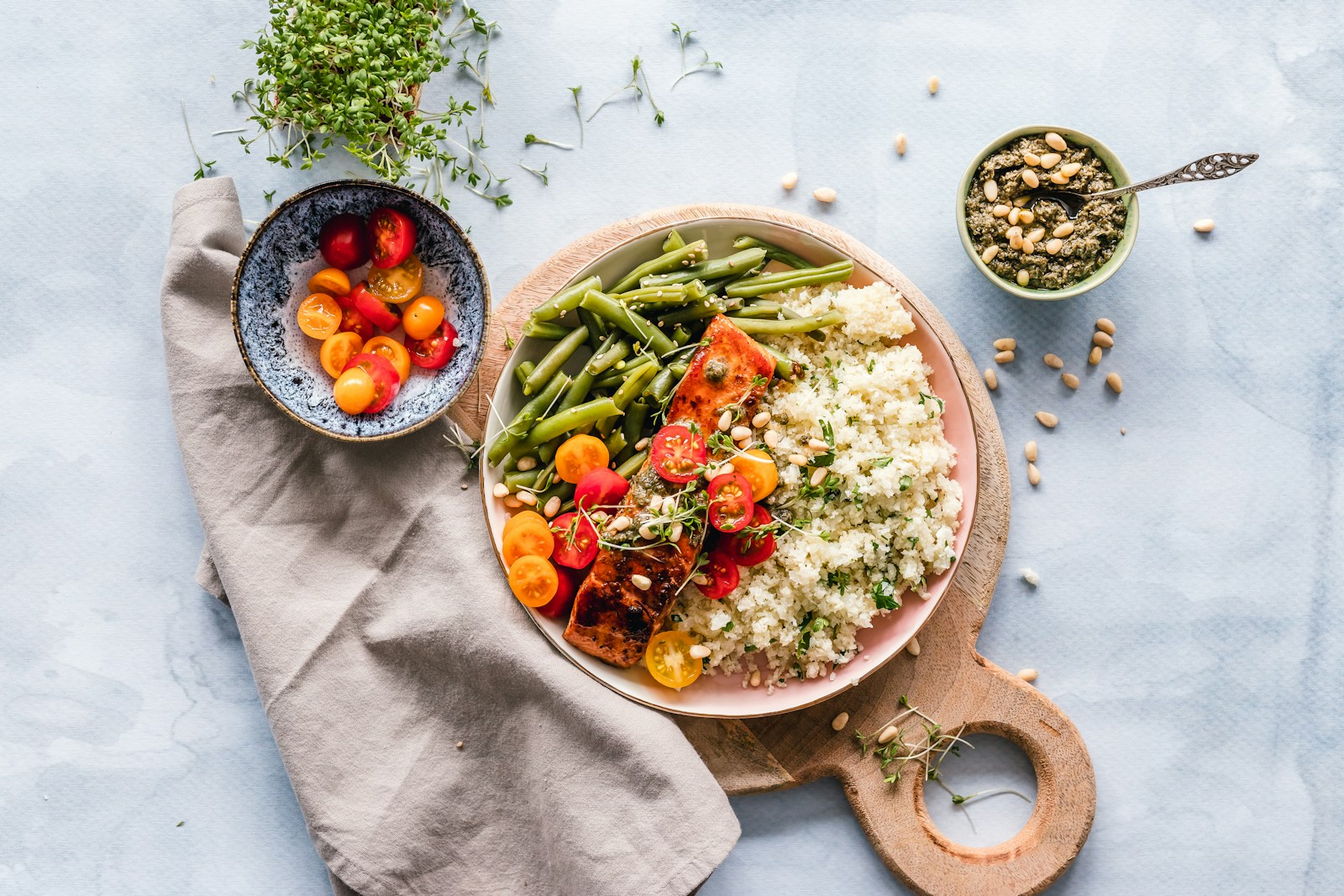
A daycare meal policy is a small document that quietly shapes a huge part of your child's week. Who pays for food, what gets served, how allergens are handled, and how toddlers and preschoolers are taught to eat are all decisions a center has already made before you walk in for a tour. Knowing what a good one looks like makes those tours, and your morning routine, much simpler.
This guide covers how most US daycares handle meals in 2026, the federal Child and Adult Care Food Program (CACFP) standards that govern center menus, the differences between parent-provided and center-provided meals, and the questions that separate a thoughtful kitchen from a checkbox one.
Almost every US daycare follows one of two meal models. Both can be excellent, and both have real trade-offs.
A third hybrid model is increasingly common in 2026: center provides snacks and milk, parents pack lunch. Ask which model your center uses before enrollment, because it changes both your morning workload and your monthly grocery budget.
The Child and Adult Care Food Program is a USDA-administered reimbursement program for licensed childcare centers and homes. Centers that participate (most large nonprofit and corporate centers do) must serve meals that meet a specific nutritional pattern. The pattern is set by age band, and parents should know what it requires.
| Age band | Lunch must include |
|---|---|
| 1 to 2 years | Milk, fruit, vegetable, grain, and a meat or meat alternate |
| 3 to 5 years | Milk, fruit, vegetable, grain, and a meat or meat alternate (larger portions) |
| 6 to 12 years (after-school) | Same five components, in elementary-age portions |
CACFP also restricts deep-fried foods, grain-based desserts, and high-sugar yogurts. It requires at least one whole-grain serving per day and limits 100% juice to one serving per day for ages 1 to 5. Centers that participate in CACFP undergo regular reviews from a state agency, and parents can request the most recent review on request.
NAEYC-accredited centers and most quality-rated programs are required to use family-style meals for children 2 and older. Family-style means food is placed in bowls on the table and children serve themselves, with teachers eating alongside them and modeling. The point is not aesthetic; the evidence supports it. Children who self-serve eat a wider variety of foods, regulate portions earlier, and develop fine motor skills along the way.
If a center serves pre-plated trays cafeteria-style for toddlers, that is a step below the NAEYC standard. It is not a deal-breaker, but it is worth asking why.
Infant feeding follows a different framework. Most state licensing rules require centers to follow the parent's written feeding plan exactly. That plan is updated as the baby grows. Centers cannot give a baby new foods, switch from breast milk to formula, or introduce solids without written parent permission. Most centers will not feed a baby on a fixed schedule; they feed on demand following the parent's plan.
For more on what a 3 month old's day looks like in care, see our daycare for a 3 month old guide. For the older end of the infant room, see daycare for a 9 month old.
Every center should ask, before enrollment, for a written allergy plan signed by your pediatrician. Most use a standard form (the AAP's Allergy and Anaphylaxis Emergency Plan is the most common). The plan lists the child's allergens, symptoms, and treatment, including EpiPen dosing if applicable. Staff who supervise meals should be trained on every plan in the room.
Some centers are nut-free entirely. Others designate nut-free tables, classrooms, or rooms. The trend in 2026 is full-center nut-free, which is the simplest policy to enforce. For a full explainer, see our daycare food allergy plan walkthrough.
Most centers can accommodate vegetarian, kosher, halal, dairy-free, and gluten-free diets with advance notice, especially if the request is medical or religious. Some centers ask parents to provide substitute proteins. CACFP-participating centers cannot serve a kosher or halal substitution that violates the meal pattern, but they can serve eggs, beans, fish, or cheese in place of meat for the same component.
If the family follows a less common diet (vegan, low-FODMAP, ketogenic), expect to provide the food yourself, with a doctor's note if it is medical.
In a center-provided model, meals are usually folded into tuition. When broken out separately, food fees typically run $30 to $90 per week per child in 2026, depending on whether the center serves breakfast, lunch, and two snacks or only lunch and snack. Parent-provided centers usually charge $40 to $120 per week less than comparable center-provided ones.
For the full cost picture, see our pillar on daycare cost, or estimate your own bill with the cost calculator. If you live in a high-cost metro, the daycare cost by region breakdown is the right next read.
One subtle red flag: a center that is hesitant to share its current menu, or that serves the same lunch every Monday for a year, is signaling something about kitchen capacity. Quality programs rotate seasonally and publish at least a week ahead.
Many parents are surprised that their toddler eats half as much at daycare as at home, especially in the first month. This is normal. New environments, new faces, and group meals where children are encouraged to feed themselves all reduce intake at first. Daily reports often look like "ate two bites of pasta, drank milk, refused vegetable." Look at the weekly pattern rather than any single day.
If the pattern continues past four to six weeks, talk to the lead teacher. Sometimes a small environmental change — sitting next to a different child, a different cup, a different time of day — resolves it.
A meal policy tells you whether a center treats food as nourishment or as logistics. Ask for the menu, ask about CACFP, ask how allergens are handled across the room, and ask how staff are trained on infant feeding plans. Then read the answer the way you would read any other operational document — not for the marketing language, but for the specifics.
For the full operational picture, see our daycare logistics pillar. For the related daily-care policies that round out a center's profile, our illness policy, nap schedule by age, and tour question guides are the right next steps.
The full operational picture: hours, drop-off, meals, naps, illness, and reports.
Read the pillar → Free toolScore multiple daycares side by side, including meal and allergen policies.
Try the checklist → BlogWhat an AAP-standard allergy and anaphylaxis plan should contain.
Read the article →Get our free daycare starter kit — the 27-question tour checklist, a cost-comparison worksheet, and what to ask about waitlists. One email, no spam.
Or jump in: tour questions · cost calculator · comparison checklist